Employee Commuter Shuttle NYC for Better Workdays
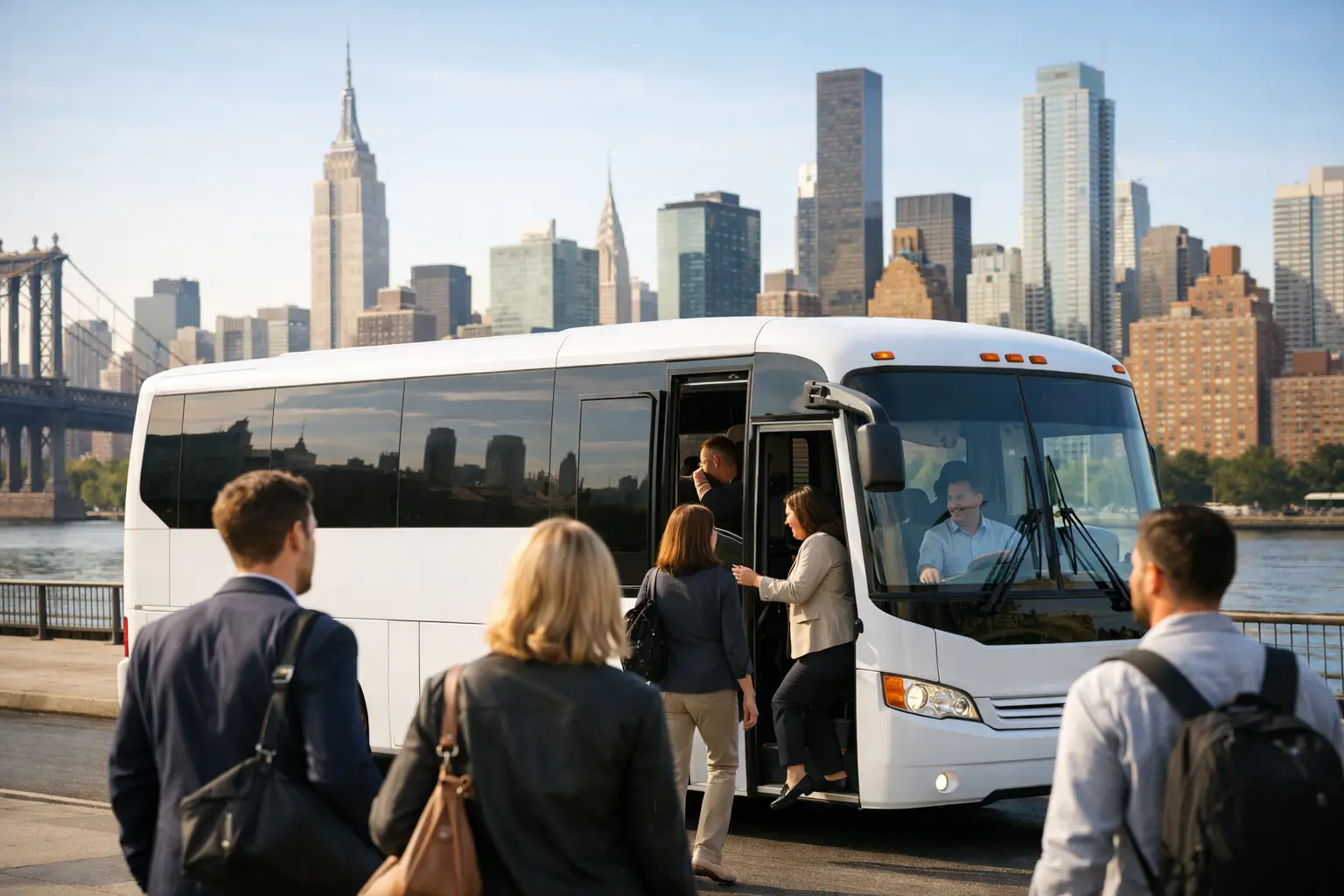
A difficult commute can affect the workday before a team member reaches the office. Late arrivals, unpredictable weather, airport-area congestion, and limited parking can make group travel frustrating for employees and challenging for office managers. An employee commuter shuttle NYC program gives companies a more controlled, comfortable way to bring people together from key neighborhoods, nearby suburbs, transportation hubs, or off-site parking locations.
For companies with regular in-office days, early shifts, client-facing teams, or locations that are not easy to reach, private employee transportation is more than a convenience. It is a practical part of the daily workplace experience. The right service should be planned around real rider needs, with professional chauffeurs, appropriate vehicles, clear communication, and a dependable point of contact when plans change.
When an Employee Commuter Shuttle in NYC Makes Sense
A dedicated commuter program is especially useful when several employees follow similar travel patterns. A Manhattan office may need morning and evening service from Long Island City or a designated meeting point in Queens. A company in Nassau or Suffolk County may want a private route connecting a parking area with its office campus. Organizations with early arrivals, late departures, or rotating in-office days can also benefit from a tailored plan rather than asking every employee to solve the same travel challenge individually.
The value depends on the route and rider volume. A service with consistent ridership and a clear pickup window is often easier to organize than a route with widely dispersed locations and changing hours. That does not mean complex programs cannot work. It means they need more planning, practical pickup points, and enough flexibility to respond to real traffic conditions.
A well-run service can help companies improve arrival consistency, reduce parking pressure, and make office attendance more manageable for valued team members. It also supports a more polished guest experience when visitors, contractors, or project teams need coordinated corporate transportation alongside the regular commuter route.
Start With the Commute, Not the Vehicle
The vehicle matters, but the route is the foundation of a successful employee transportation program. Before selecting a Mercedes-Benz Sprinter Van, executive van, mini coach, or larger group transportation option, identify where people are actually coming from and when they need to arrive.
A transportation provider should ask practical questions: How many riders are expected on each operating day? Are pickup points fixed or likely to change? Does the office require a single morning arrival time? Are there late-night departures, seasonal volume changes, or accessibility requests? These details influence the route, trip duration, vehicle selection, and pricing structure.
For many companies, one central pickup point is more effective than a route with many stops. Fewer stops can make timing more predictable and give riders confidence that the trip will not become unnecessarily long. In other cases, two or three well-positioned pickup locations may better serve the group. The right approach is based on geography, rider habits, and the office’s operating hours.
The Planning Details That Protect Reliability
A commuter service should account for more than distance. New York traffic patterns can differ sharply by day, season, neighborhood, weather, and major events. A provider with experienced chauffeurs and active dispatch support can monitor conditions and make informed adjustments when necessary.
Four planning details make the biggest difference:
- Confirm realistic pickup and arrival windows rather than building the route around ideal conditions.
- Establish a clear rider communication process for pickup instructions, changes, and lost-item questions.
- Select vehicle capacity with room for regular riders and reasonable fluctuations in attendance.
- Review the route periodically, especially after office policy changes or an increase in rider volume.
This upfront work helps prevent a common problem: a service that looks efficient on paper but does not reflect how employees actually travel.
Vehicle Options for NYC Employee Transportation
A premium fleet gives companies the ability to match capacity and comfort to the program rather than forcing every route into one vehicle type. For smaller executive teams or limited pickup groups, a luxury SUV or executive van may be appropriate. For recurring groups that need more passenger space, a Mercedes-Benz Sprinter Van offers a refined interior, comfortable seating, and room for personal belongings.
Larger commuter groups may require a mini coach or charter bus, particularly when the route serves a corporate campus, conference venue, or suburban office with higher rider volume. Vehicle selection should also consider luggage needs, mobility requirements, trip length, and whether the service will support other company travel during the day.
| Program need | Practical vehicle consideration | | — | — | | Small leadership or client team | Luxury SUV or executive van | | Regular mid-size commuter group | Mercedes-Benz Sprinter Van or executive van | | Larger office route | Mini coach or charter bus | | Multi-site meeting or event day | Coordinated fleet with staggered arrivals |
Late-model vehicles, professional presentation, and consistent maintenance standards matter. Employees may use the service several times a week, so the experience should feel orderly and comfortable every time, not only on the first day of the program.
Professional Chauffeurs Make the Difference
A commuter route is recurring transportation, but it should never feel impersonal. Professional chauffeurs set the tone through punctual arrivals, courteous communication, safe driving, and a polished appearance. They understand that riders may be preparing for meetings, making calls, or simply taking a quiet moment before the workday begins.
For office administrators and travel managers, professionalism also means accountability. Chauffeurs should know the route, follow the agreed pickup process, and work with a responsive dispatch team when traffic or rider needs require attention. This is especially valuable for companies coordinating executive car service, airport transportation, and commuter programs through one trusted transportation partner.
New York Van Service is fully licensed and insured and provides personalized transportation solutions supported by experienced chauffeurs and 24/7 dispatch. Whether the route begins in Manhattan, Brooklyn, Queens, Long Island, or near JFK Airport, the focus remains on safe, timely service and clear communication.
Build Flexibility Into the Program
The most effective employee commuter service is structured, but it is not rigid. Office attendance patterns can shift. A company may expand its in-office days, move to a new location, host a meeting series, or need temporary capacity for a major project. A transportation plan should be able to adapt without creating confusion for riders.
Some organizations use a commuter route only on their busiest office days. Others operate morning and evening service throughout the week. Companies with frequent visitors may combine the regular route with airport transfers from LaGuardia Airport, Newark Liberty International Airport, or private aviation terminals. Event transportation can also be coordinated for annual meetings, conferences, client programs, and company celebrations.
Clear pricing is essential when planning these services. The total cost should reflect the selected vehicle, passenger count, route design, service duration, operating frequency, and any special requests. Transparent pricing allows companies to compare options thoughtfully and select a program that fits their needs without surprises.
Questions to Ask Before You Reserve
Before choosing an employee shuttle provider, ask how the route will be monitored, who handles time-sensitive updates, and what happens if rider volume changes. Confirm that the company can provide the vehicle type requested, the level of chauffeur service expected, and support outside standard office hours.
It is also helpful to discuss trial periods. A new route may reveal that one pickup point is underused or that a slightly earlier departure improves arrival consistency. Reviewing the first few weeks with the provider can turn a good initial plan into a dependable long-term program.
For businesses that value punctuality, safety, modern luxury vehicles, and responsive customer care, a private commuter program can make the office journey more predictable for everyone involved. Request a free quote to discuss your route, rider count, preferred vehicle, and the level of support your team needs. A thoughtfully planned ride gives employees a calmer start and gives your organization greater confidence in every arrival.